


5 Simple HVAC Maintenance Tips to Boost Efficiency
Maximize Performance and Lower Your Energy Bills
Monthly Filter Changes for Peak Performance
One of the simplest yet most impactful maintenance tasks you can perform is replacing your air filters on a consistent schedule. During Charlotte’s hot, humid summers and pollen-heavy spring seasons, filters accumulate dust, allergens, and debris much faster than in other climates. A clogged filter restricts airflow, forcing your system to work harder and consume more energy to maintain comfortable temperatures throughout your home.
Most residential systems benefit from filter changes every 30 to 90 days, depending on factors such as pet ownership, occupancy levels, and local air quality. In Charlotte, NC, where humidity and seasonal pollen can be particularly challenging, homeowners often find that monthly replacements during peak seasons deliver the best results. Clean filters not only reduce strain on your equipment but also improve indoor air quality by capturing airborne particles more effectively.
Check your manufacturer’s recommendations for the correct filter size and MERV rating for your specific equipment. Higher-rated filters capture smaller particles but may reduce airflow if your system isn’t designed to accommodate them. Regular filter maintenance is a low-cost investment that pays dividends in lower utility bills and extended equipment lifespan.
Maintain Clear Space Around Condensers
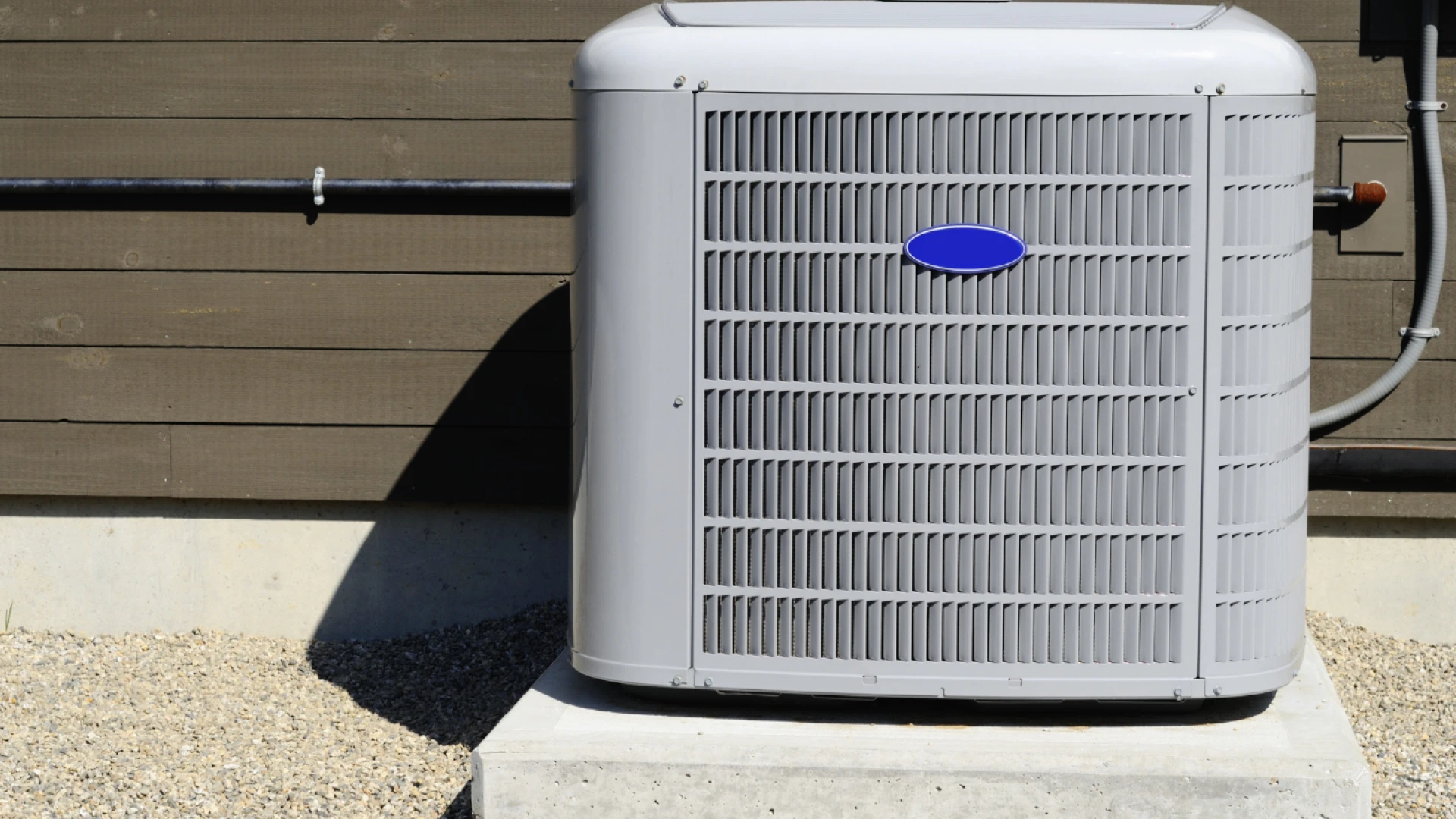
Your outdoor condenser unit plays a critical role in heat exchange, but it can only function efficiently when airflow remains unobstructed. Throughout the year, leaves, grass clippings, dirt, and other debris accumulate around and within the unit, reducing its ability to dissipate heat effectively. This restriction forces the compressor to run longer cycles, increasing wear and driving up energy costs significantly.
Inspect your outdoor unit at least once per month during operating seasons. Remove any visible debris from the exterior fins using a soft brush or garden hose with gentle pressure. Avoid using high-pressure washers, as they can bend the delicate aluminum fins and reduce efficiency. Maintain a clearance of at least two feet around the entire unit, trimming back shrubs, grass, and vegetation that might impede airflow or trap moisture against the equipment.
In Charlotte’s climate, where spring storms can deposit debris and summer vegetation grows rapidly, staying proactive with outdoor unit maintenance prevents performance degradation. Consider installing a protective cover during winter months when the system isn’t in use, but always remove it before operating the equipment to prevent damage and ensure proper ventilation.
Annual Tune-Ups Prevent Costly Breakdowns
While homeowner maintenance tasks are valuable, professional inspections identify issues that aren’t visible during routine checks. Qualified technicians possess specialized tools and training to measure refrigerant levels, test electrical connections, evaluate component performance, and detect early warning signs of potential failures. Annual inspections before cooling season in Charlotte, NC help ensure your equipment operates reliably when you need it most during the demanding summer months.
During a thorough inspection, technicians clean internal components, lubricate moving parts, calibrate controls, and verify that safety mechanisms function correctly. They can identify worn belts, failing capacitors, refrigerant leaks, and other problems before they escalate into costly emergency repairs or complete system failures. This proactive approach extends equipment lifespan and maintains manufacturer warranty coverage that often requires documented professional maintenance.
For optimal performance and longevity, schedule heating system evaluations in fall and cooling system checks in spring. This seasonal approach ensures both heating and cooling functions receive attention before peak demand periods. Professional maintenance from qualified providers delivers the technical expertise that complements your regular homeowner care, creating a comprehensive strategy that maximizes efficiency and minimizes unexpected breakdowns.
Seal Leaks and Remove Contaminants
Your duct system serves as the circulatory network for conditioned air throughout your home, and compromised ductwork undermines even the most efficient heating and cooling equipment. Leaks, gaps, and disconnections allow treated air to escape into unconditioned spaces like attics and crawlspaces, wasting energy and forcing your system to run longer to maintain desired temperatures. Accumulated dust and contaminants within ducts also degrade indoor air quality and reduce airflow efficiency.
Inspect accessible ductwork sections regularly for visible gaps, disconnections, or damage. Pay particular attention to joints and connections where sections meet, as these areas commonly develop leaks over time. Seal any gaps using mastic sealant or metal-backed tape specifically designed for duct systems. Avoid using standard cloth duct tape, which deteriorates quickly and fails to provide lasting seals.
Professional duct cleaning removes accumulated dust, allergens, and debris that regular filter changes can’t address. This service proves particularly valuable for homes with pets, recent renovations, or residents with allergies and respiratory sensitivities. In Charlotte’s humid climate, duct systems can also develop moisture issues that promote mold growth, making periodic professional evaluation an important preventive measure for maintaining healthy indoor environments.
Smart Temperature Management Saves Energy
Your thermostat functions as the command center for your entire climate control system, and proper settings directly impact both comfort levels and operating costs. Many homeowners unknowingly waste energy by maintaining unnecessarily extreme temperature setpoints or failing to adjust settings based on occupancy patterns. Small adjustments to your approach can generate substantial savings without sacrificing comfort throughout your Charlotte, NC home.
During summer months, set your thermostat to 78 degrees when home and increase it by 7 to 10 degrees when away for extended periods. In winter, maintain 68 degrees during occupied hours and lower it while sleeping or away. Each degree of adjustment can reduce energy consumption by approximately 3 to 5 percent, creating meaningful savings over time. Programmable and smart thermostats automate these adjustments, ensuring optimal settings without requiring constant manual intervention.
Consider upgrading to a smart thermostat that learns your schedule and preferences while providing remote control through smartphone applications. These devices offer usage reports, maintenance reminders, and adaptive algorithms that optimize performance based on weather conditions and occupancy patterns. Proper thermostat management complements all other maintenance efforts, ensuring your well-maintained system operates as efficiently as possible while delivering consistent comfort year-round.